

For decades, the “Big Five” have ruled our dinner plates. Whether you’re in a supermarket in London or a fishmonger in Sydney, the story is remarkably similar: we are a nation of seafood lovers with a very narrow imagination. Salmon, tuna, and Prawns (in UK the other two are Cod and Haddock and in Australia Barramundi & Snapper), make up the lion’s share of our consumption, while a treasure trove of nutritious, sustainable, and local species is cast aside—often exported to diners overseas who know better.
New research from the University of East Anglia (UEA) has just pulled back the curtain on this missed opportunity. Published under the Pyramids of Life project (DOI: 10.6084/m9.figshare.30741821), the study reveals a startling paradox: while 80% of the seafood eaten in the UK is imported, the country is surrounded by an abundance of small, oily fishlike sardines, anchovies, and sprats that are largely ignored by local consumers.
The UEA Findings: A "Curse of Modernity"
Lead researcher Dr. Silvia Ferrini describes UK consumers current habits as a "curse of modernity" - simple, local, and incredibly healthy whole foods have been traded for the convenience of imported fillets.
The study found that seafood consumption in the UK has plummeted by 25% over the last decade. Most consumers aren't hitting the recommended two portions of fish per week, missing out on vital Omega-3s essential for heart and brain health. Yet, there is a glimmer of hope: 40% of consumers surveyed expressed a clear willingness to try lesser-known local species, provided they are fresh, affordable, and come with a bit of "how-to" guidance.
A Global Vision: The Thilsted Connection
The UEA research echoes a powerful global movement spearheaded by Dr. Shakuntala Thilsted, the 2021 World Food Prize Laureate. Her ground-breaking work in Bangladesh and Cambodia revolutionized how we view "trash fish." Dr. Thilsted proved that small indigenous fish species (SIS) are not just filler; they are "nutrition powerhouses."
Her research demonstrated that because these small fish are eaten whole—head, bones, and all—they provide a massive boost of Vitamin A, iron, calcium, and zinc. Crucially, Dr. Thilsted showed that adding small fish to a meal increases the absorption of nutrients from the rest of the plate, such as iron from vegetables. This "nourishing nations" approach has saved countless lives in the Global South, moving the conversation away from just "feeding" people to "nourishing" them through aquatic food systems. Additionally, this has assisted pregnant women in Asia and Africa in creating healthy diets enabling them to have better birth outcomes and heathier children.
The Australian Connection: The Small Pelagic Opportunity
Here in Australia, we face an almost identical challenge to the UK. Despite having one of the largest fishing zones in the world, we import over 70% of our seafood. While we tuck into imported fillets, our own "small pelagics"—species like the Australian Sardine, Blue Mackerel, and Jack Mackerel—are often relegated to bait or fishmeal.
Recent data from the Status of Australian Fish Stocks (SAFS) confirms that our small pelagic stocks are among the most sustainably managed in the world. For instance, the Australian Sardine fishery off South Australia is a gold-standard example of science-based management, yet you’ll rarely see these silver beauties as the "hero" on a suburban dinner menu. Much of this harvest is often reserved for fattening the ranched Tuna as the licences are generally owned by the Tuna fishers/ranchers.
There is a new horizon of hope if Tasmania finalises its proposal to start an Australian Sardine fishery. Time will tell.
Like the British public, Australians are also seeing a dip in seafood consumption. Recent ABS data shows a 2.5% drop in fish and seafood consumption per capita. We are at a crossroads: do we continue to rely on long-distance supply chains, or do we follow Dr. Thilsted’s lead and look to our own horizons plus review the way we manage aquaculture and even find a solution to European Carp by harvesting/processing the ‘invader’?
Why "Small" is the Next Big Thing
The benefits of shifting our focus to small, local fish are three-fold:
- Nutritional Powerhouses: As Dr. Thilsted’s research confirms, small fish provide a density of micronutrients that fillets simply cannot match.
- Environmental Integrity: Small fish sit lower on the food chain. Harvesting them has a significantly lower carbon footprint than land-based proteins or long-haul imported seafood.
- Economic Resilience: Supporting our local small pelagic fishers keeps money in our coastal communities. Instead of sending our best sardines to become tuna feed, we can build a robust domestic market.
Breaking the Barrier: From Curiosity to the Kitchen
The UEA research highlights that "bones and taste" are the primary barriers. To overcome this, the Seafood Consumers Association is calling for a "Revolution."
In the UK, researchers suggest introducing local fish into school meals to normalize these flavours. In Australia, we are seeing movement from forward-thinking chefs who are putting "Australian Sardines" front and centre, paired with simple, modern flavours like lemon, garlic, and salsa verde. We can also learn from Dr. Thilsted’s innovations, such as fish powders and chutneys, which make these nutrients accessible to children and busy families without the "fear of bones."
The Bottom Line
The science is clear—whether it’s the North Sea, the Bay of Bengal, or the Great Australian Bight, the answer to a more sustainable and healthy food system is swimming right under our noses. It’s time to move past the "Big Five" and embrace the silver streak of Sardines, Australian Salmon, and Mackerels.
A Quick Guide to Cooking Australian Sardines
Standard name - Australian Sardine - Scientific name - Sardinops sagax - CAAB Code 37 085002 - Authority (Jenyns, 1842)
The Small Pelagic: Sustainable, Nutritious, and Delicious
Australian Sardines (Sardinops sagax) are a powerhouse of Omega-3s and minerals. Because they are caught locally in the pristine waters from WA right through the Great Australian Bight and up the NSW coast, they are some of the freshest seafood options available.
1. Buying & Preparation
- The Look: Look for bright, clear eyes, shiny silver skin, and a fresh "sea" smell.
- The Prep: Most Australian sardines are sold whole. To butterfly them, simply run your thumb along the belly to open it up, and gently pull the spine away from the flesh starting at the head.
- The Bones: Don't worry! Small sardine bones are soft and rich in calcium. When grilled or fried, they are often unnoticeable or provide a pleasant crunch.
2. Three Simple Ways to Cook
The "Pub Style" Grill (Fastest)
- Pat the fish dry and toss in olive oil, sea salt, and cracked pepper.
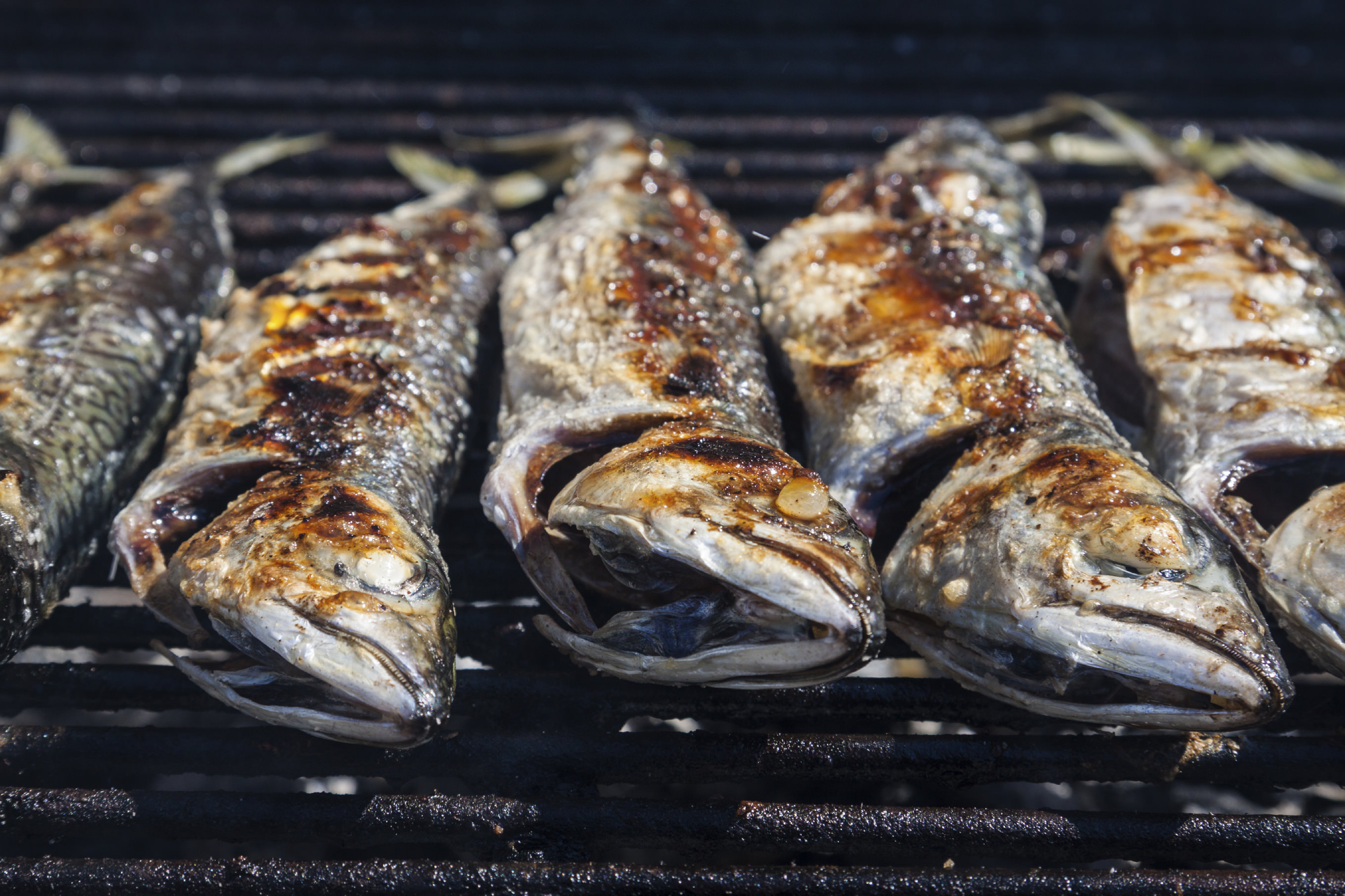
- Place under a high grill (broiler) or on a hot BBQ for 2 minutes per side.
- Serve with a massive squeeze of fresh lemon and a side of crusty sourdough.
The Mediterranean Pan-Fry
- Dust butterflied fillets lightly in flour seasoned with smoked paprika.
- Flash-fry in a pan with olive oil for 90 seconds until the skin is crispy.
- Serve with a "Salsa Verde" of chopped parsley, capers, garlic, and olive oil.
The "Thilsted" Family Boost (Inspired by Dr. Shakuntala Thilsted)
- For those hesitant about textures, bake the sardines until very crisp.
- Flake the meat (and softened bones) into a pasta sauce, stir-fry, or even a fish-cake mix.
- Why? This incorporates the micronutrients (Iron, Zinc, Vitamin A) into a familiar meal without the "fear factor."
3. Flavour Pairing Cheat Sheet
Sardines are "oily" fish, which means they love acid and heat to balance the richness:
- Acid: Lemon juice, lime, red wine vinegar, or pickled onions.
- Heat: Fresh chili, dried flakes, or horseradish.
- Herbs: Parsley, dill, oregano, and fennel.
Did You Know?
Eating Australian Sardines supports our local fishing communities and has one of the lowest environmental footprints of any animal protein. By choosing "Small Pelagics," you are voting for a healthier ocean and a healthier you.
Additionally, if you cannot obtain ‘fresh’ then consider ‘frozen’ or ‘canned’ - some of the greatest value you can find in any supermarket is canned fish, especially Sardines and Mackerel – a healthy, nutritious snack and so affordable!
Comments
No comments yet.